
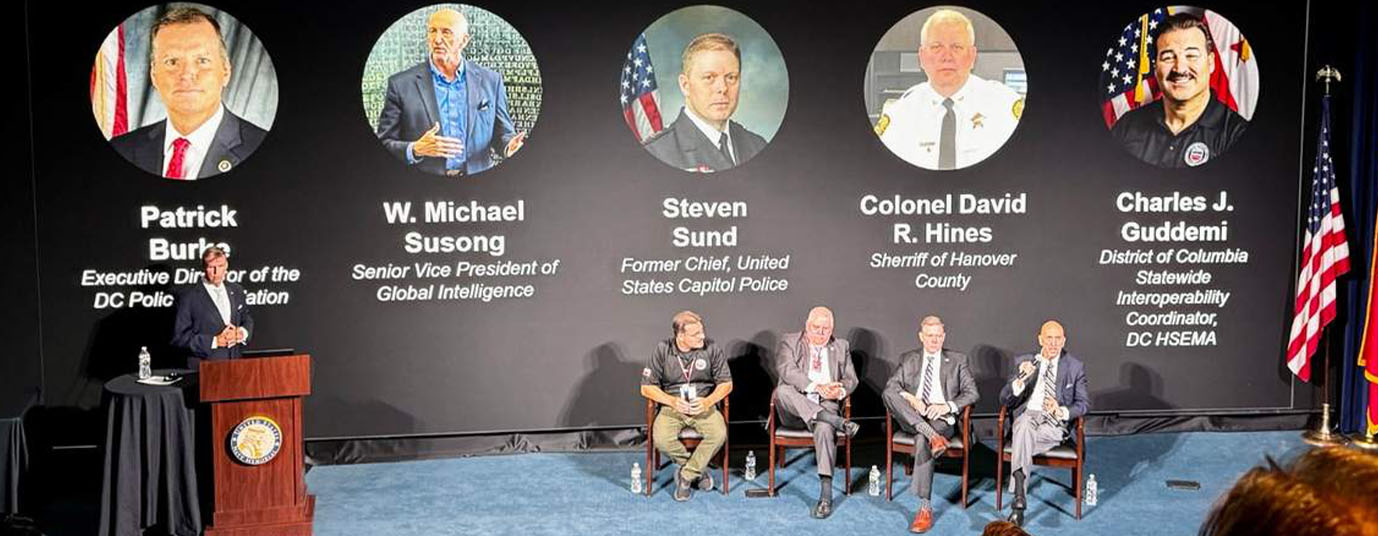
Leadership, Preparedness, and Decision-Making in High-Stakes Environments
What These Conversations Deliver
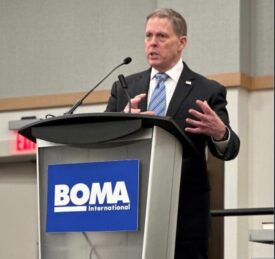
Leadership Under Pressure
Examines how leaders interpret risk, communicate urgency, and make decisions when information is incomplete and stakes are high. Emphasis is placed on judgment, accountability, and the human factors that shape outcomes under stress.
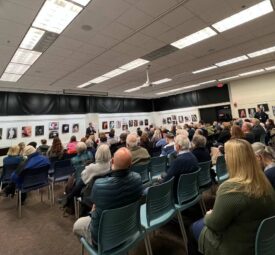
Organizational Preparedness
Explores how institutions prepare for complex threats, identify warning signs, and test assumptions before a crisis occurs. Conversations focus on readiness, coordination, and learning from stress rather than reacting to failure.
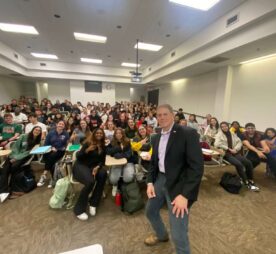
Constructive Accountability
Centers on accountability as a tool for improvement rather than punishment. Discussions encourage leaders and teams to examine decisions honestly, identify gaps, and strengthen processes without politicization or defensiveness.
Who These Conversations Are For
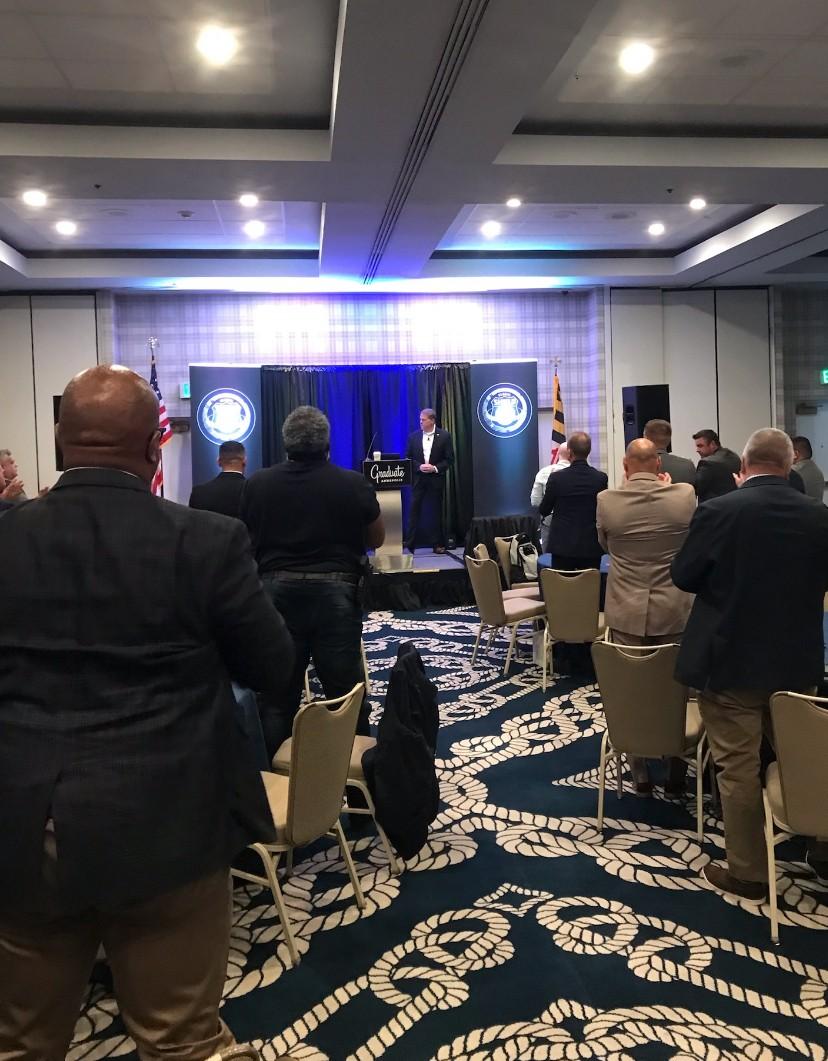
These discussions are relevant wherever leadership, responsibility, and public trust intersect.
Executive & Organizational Leaders
Senior leaders responsible for people, operations, reputation, and decision-making under uncertainty.
Security, Risk, and Preparedness Professionals
Professionals focused on organizational readiness, crisis response, public safety, and resilience planning.
Public Institutions & Civic Organizations
Agencies, universities, hospitals, and nonprofits operating in complex, high-accountability environments.
Educators & Students of Leadership
Academic institutions, leadership programs, and students examining real-world decision-making under pressure.
These conversations are not partisan, political, or retrospective. They are forward-looking discussions centered on leadership judgment, preparedness, and institutional learning.
How These Engagements Are Structured
Flexible Formats Tailored to Audience, Setting, and Purpose.
Keynote Address
A focused presentation examining leadership, preparedness, and decision-making under pressure, tailored to the audience and context.
Moderated Conversation
A guided discussion format designed to encourage thoughtful dialogue and audience engagement around leadership challenges and institutional readiness.
Fireside Chat
An informal, conversational setting that allows for deeper exploration of leadership lessons and real-world decision-making.
Workshops & Seminars
Smaller, interactive sessions designed for teams, classrooms, or professional groups seeking deeper discussion and practical insight.
For Educators and Academic Use
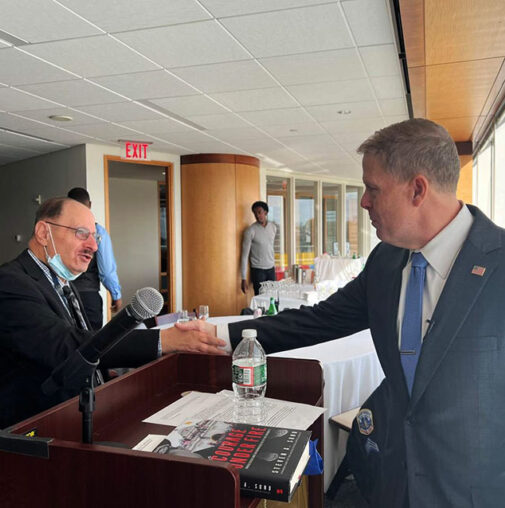
Courage Under Fire serves as a primary case study for courses examining crisis leadership, organizational governance, and decision-making under extreme pressure. Written by former U.S. Capitol Police Chief Steven A. Sund, the book provides a firsthand, documented account of how complex institutions respond to unprecedented challenges, navigate competing authorities, and operate under intense scrutiny. It offers a practical framework for analyzing leadership, accountability, and strategic decision-making in high-stakes environments.
Why Educators Use This Book
- First-person, real-world case study grounded in documented events
- Cited in Congressional hearings and official records
- Direct application to leadership, governance, and emergency management curricula
- Focus on institutional learning rather than political debate
- Suitable for undergraduate, graduate, and executive education programs
Disciplines Served
- Homeland Security & Emergency Management
- Criminal Justice & Policing Leadership
- Public Administration & Public Policy
- Organizational Leadership & Ethics
- National Security & Strategic Studies
- Crisis & Risk Management (business schools)
- U.S. History and Political Science
Academic Resources
- Instructor Guide — 2026 Courage Under Fire Instructor’s Guide (DOWNLOAD THE PDF HERE)
- Sample Syllabus Language & Case Discussion Frameworks (DOWNLOAD THE PDF HERE)
For Security Professionals & Executives
Most crises do not fail due to lack of effort or commitment. They fail because structural, authority, and governance limitations only become visible under stress. Courage Under Fire provides leaders with a documented case study to examine those limitations before they are tested in their own organizations. This book is not about revisiting the past—it is about preparing leaders for the next crisis.
Drawing on more than 30 years of operational leadership experience, including service as Chief of the U.S. Capitol Police, Steven Sund examines leadership under extreme pressure. Security professionals, executives, and public-sector leaders explore real-world challenges in decision-making, interagency coordination, crisis communication, and ethical leadership.
Relevant For
- Chiefs of Police and senior law enforcement leaders
- Corporate Chief Security Officers (CSOs) and Chief Risk Officers (CROs)
- CEOs and senior executive teams
- Board directors and trustees
- Public sector leaders and agency heads
- Security, resilience, and crisis management professionals
Key Leadership Themes
- Homeland Security & Emergency Management
- Criminal Justice & Policing Leadership
- Public Administration & Public Policy
- Organizational Leadership & Ethics
- National Security & Strategic Studies
- Crisis & Risk Management (business schools)
- U.S. History and Political Science
Professional Resources
- Courage Under Fire Professional Development TTX Guide (DOWNLOAD THE PDF HERE)
Customization & Preparation
Each engagement is prepared in collaboration with the host organization.
Topics, format, and emphasis are shaped to align with audience needs, institutional goals, and the nature of the event.
The focus remains consistent: clarity, preparedness, and leadership judgment—without political framing or retrospective debate.
Settings & Environments
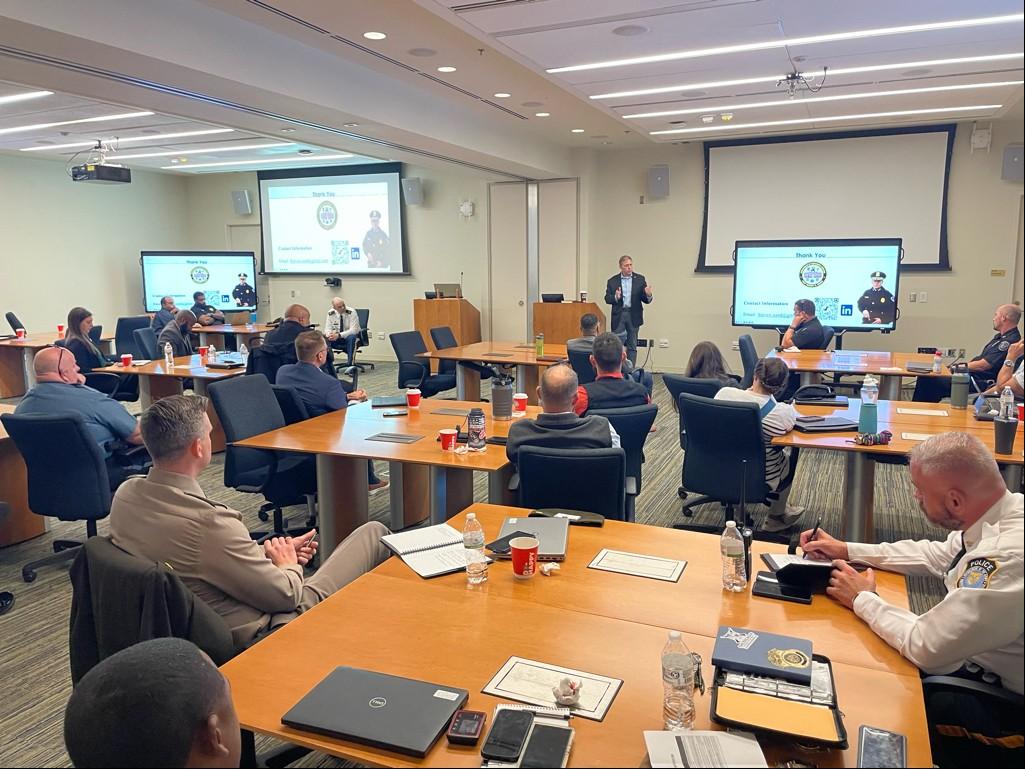
Steven speaks in a wide range of settings, including:
- Corporate and executive forums
- Universities and academic institutions
- Professional conferences and summits
- Civic and community events
- Bookstores and public discussions
- Leadership retreats and strategic planning sessions
- Government agencies and public-sector organizations
- Professional development programs and training environments
Invite Steven Sund to Speak
Speaking engagements are tailored to the audience, setting, and purpose of the event.
Organizations interested in hosting a speaking engagement are invited to begin a conversation about goals, audience, and format.
Each engagement is prepared collaboratively and designed to align with the needs of the host organization—whether the setting is a leadership forum, academic institution, professional conference, or community event.